
DCCS 508
Module 1
Podcast Planning: Writing, Structure, and Presentation
1. The Art of Creating an Invisible Podcast Episode Script
Reading: The Podcast Host — The Art of Creating an Invisible Podcast Episode Script
This article explains how a podcast can be planned and scripted without making the host sound like they are reading directly from a page. The main idea is that a good script should guide the episode while allowing the speaker to sound natural. A podcast does not necessarily need to be written word for word. Instead, the host can plan the overall structure and fully script important sections, such as the introduction and conclusion. The article also emphasizes narrative flow, explaining that an episode should have an engaging opening, a clear progression of ideas, and an ending that brings everything together.
One thing I learned from this reading is that writing for audio is different from writing for someone to read. Shorter sentences, conversational language, and a logical sequence make a podcast easier to follow. This is something I want to apply to my jazz-and-rap podcast. I want the narration to sound like I am genuinely explaining why I connect with these genres, rather than reading a formal essay. Planning the main points ahead of time will help me stay organized while still allowing my personality to come through.
2. Creating a Great Podcast Script: 3 Methods Top Podcasters Use
Reading: The Podcast Host — Podcast Scripting
This article discusses three common approaches to podcast scripting: writing a complete script, creating a detailed outline, and using a flexible bullet-point plan. Each approach has advantages and disadvantages. A full script helps the host cover every important point, but it can sound unnatural if it is read without expression. An outline offers a balance between preparation and flexibility, while a loose bullet-point plan encourages a conversational delivery but can make it easier to lose focus or go off topic.
The main lesson I took from this article is that there is no single correct way to write a podcast. The best approach depends on the subject, the host, and the kind of experience the creator wants to produce. For my project, a combination of scripting and outlining would probably work best. I could write the opening and closing narration carefully, then use bullet points for the sections about jazz, rap, and their similarities. This would give the podcast a clear structure without making the entire recording feel overly rehearsed.
3. Podcast Taglines, Hooks, and the Power of Words
Reading: The Podcast Host — Podcast Taglines, Hooks, & the Power of Words
This article explains how memorable language can help attract an audience and give a podcast a recognizable identity. A tagline introduces the show and communicates what listeners can expect, while hooks can introduce individual segments or important moments. The article emphasizes that effective taglines should be clear, direct, simple, and memorable. It also explains that an introduction can do more than announce the podcast's name: it can give listeners a reason to keep listening by communicating the value or central idea of the episode.
I learned that the opening of a podcast needs to do more than introduce its subject. It should create curiosity and establish the tone of the experience. For my project, I could begin with a short instrumental passage before asking a question about why certain music affects us so strongly. That would introduce the emotional side of jazz and rap while giving the listener an immediate reason to pay attention. A consistent phrase or musical transition could also help distinguish the two sections and connect them to the larger theme.
4. Tools for Podcast Planning Perfection
Reading: The Podcast Host — Tools for Podcast Planning Perfection
This reading focuses on organizing the podcast production process so that ideas can develop into a finished episode. It discusses outlining, writing, and editing as separate stages, along with different ways to organize ideas. These include written outlines, paper notes, index cards, and mind maps. It also discusses tools for writing and editing, including software that can help identify complicated sentences and repeated words. The overall message is that planning gives a creator a framework to work within while still leaving room for creativity.
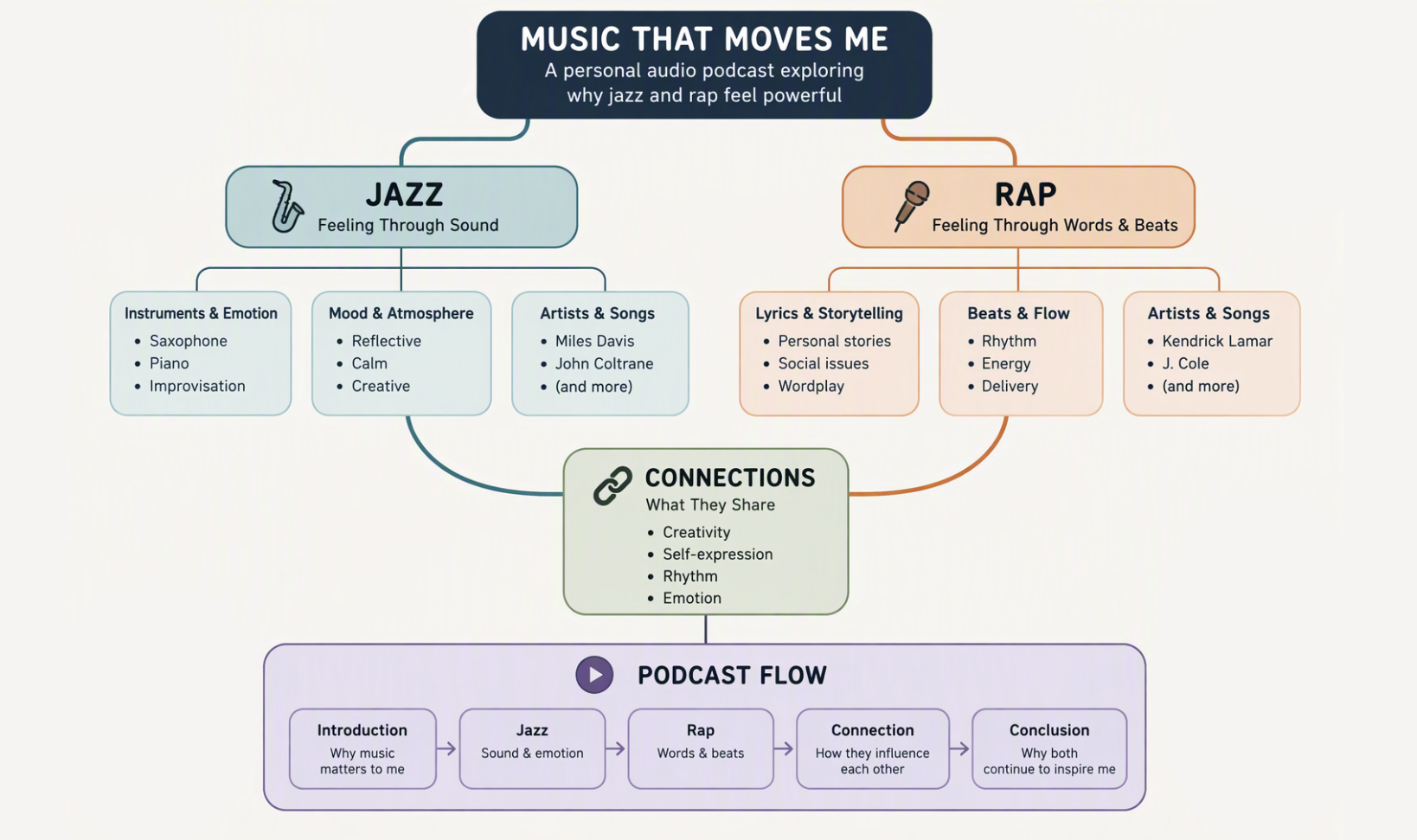
One idea that stood out to me was using a mind map to explore a topic before committing to a final structure. This is especially useful for my podcast because jazz and rap each offer several possible directions, including rhythm, instrumentation, lyrics, personal emotion, and musical influences. Mapping these ideas out will help me decide which ones deserve the most attention. Separating brainstorming from editing should also make it easier to develop original ideas before worrying about how polished they sound.
5. How to Present a Perfectly Scripted Podcast
Reading: The Podcast Host — How to Present a Perfectly Scripted Podcast
This reading focuses on how a prepared script can be delivered in a way that sounds engaging and natural. Planning the words is only one part of producing a successful podcast; the speaker also needs to consider vocal delivery, pacing, emphasis, and how the audience will hear the information. A script that looks good on paper may not work as well when spoken aloud, so practicing and listening back to a recording can help identify awkward wording or sections that need adjustment.
For my project, this means paying attention to how I actually sound when discussing music. Since the topic is personal, I want the narration to feel genuine rather than overly formal. I will need to practice the transitions between the jazz and rap sections, vary my pacing, and leave enough space for the music to make an impression. Listening back during editing will help me determine whether the narration and audio choices work together or whether some sections feel rushed or repetitive.
Chapter 8: Sound — The Bare Bones Camera Course for Film and Video by Tom Schroeppel
In Chapter 8, Tom Schroeppel explains how sound works and why it is an important part of film and video production. Sound is created by vibrations that travel through the air as waves, which microphones capture and convert into signals that can be recorded. The chapter also discusses how different microphones are designed for different situations, making microphone selection important when trying to record clear audio.
One of the biggest things I took away from this chapter is the importance of recording clean sound. Background noise, echoes, and other unwanted sounds can make it harder for an audience to understand what is being said. Separating dialogue, sound effects, and background ambience also gives creators more control when editing. These different layers of audio can help establish a setting, create a mood, and make a project feel more realistic.
This chapter connects to my podcast project, Music That Moves Me, because sound is the main way I will communicate my ideas to the audience. Since my podcast focuses on jazz and rap, the music, narration, transitions, and background sounds will all contribute to the experience. I want the jazz section to feel more relaxed and reflective, while the rap section will have a stronger sense of energy and rhythm. This reading helped me think more carefully about audio quality and how the way sound is recorded, arranged, and mixed can affect the audience's experience.
Research to Inform
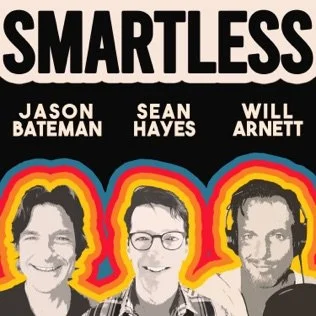
Here are three podcasts I’m using as inspiration, “The Basement Yard” are a comedy duo who created a podcast where they share stories about what they’ve been doing in their lives and create really funny moments just by sharing their opinions and being themselves. I thought of them first when we were given this podcast assignment as I listen to them on long drives or when I’m working on something. My other podcast that I listen to is called “CreepCast” a very unique podcast that is not for everyone in that two YouTubers tell scary stories and insert their own knowledge of horror and natural comedy to create engaging episodes. Finally “Smartless” a podcast that I don’t listen to as heavily but I know many people who do, they often ask others who are listeners if they “heard the newest episode” so they can talk about it. I feel like that shows the reach that podcasts have and how captivating they can be that people can talk to each other about them as if it was a TV show.
I’m using these as my examples because I believe that the ticket to a successful podcast comes with a few things. One, having topics or people that are interesting enough to listen to for long periods of time is a must. With each of these podcasts I believe they hit that point perfectly, they’re all engaging because of the people involved and the things they talk about. Two, being funny and connecting with the audience makes anything worth watching and in audio form you have to be funny verbally since just doing something that the viewer needs to see to understand isn’t going to cut it. Comedy podcasts or at least podcasts with some sort of comedic element to them always seem to go further than those that do not.
Whether you’ve heard of any of these shows or not they are prime examples of thriving podcasts that only prove to be getting bigger and more influential.
Create
Mind Map:
Pre-Production Planning Document:
Module 2
Reading & Writing: Audio Recording and Editing
1. 7 Secrets for Getting Pro-Sounding Vocals on Home Recordings
Read the original article by Filippo Gaetani on Sonicbids.
This article explains how to get clearer, more professional-sounding vocal recordings without needing access to an expensive recording studio. One of the biggest takeaways is that the recording environment matters just as much as the equipment. Recording in a room with blankets, curtains, pillows, or other soft materials can help reduce unwanted echoes and reflections. The article also explains the importance of microphone placement and using a pop filter to reduce harsh sounds caused by letters like “P” and “T.”
Another important point is to check recording levels before starting and keep the audio from clipping or distorting. Recording multiple takes also gives you more options when editing, but the article emphasizes keeping the natural personality of the performance instead of over-editing it. Effects such as compression, equalization, and reverb can improve a recording, but they should be used carefully rather than automatically applied to every voice.
I can apply these ideas to my podcast by recording in a quiet space, testing my levels before starting, and recording more than one take if needed. Since my podcast depends on narration to communicate my thoughts about jazz and rap, I want my voice to sound clear and natural. I also want to make sure the music supports what I’m saying without overpowering it.
2. Editing Audio for Video
Read “Sound Advice: Editing Audio for Video” on Videomaker.
This article discusses why audio should be treated as an important part of the editing process instead of something added at the end. Sound can change how an audience interprets a scene, and even strong visuals can feel less effective if the audio is distracting, unclear, or poorly balanced. The article encourages creators to think about sound while planning and editing a project, including dialogue, background audio, music, and other sounds that help tell the story.
One thing I took away from this reading is that effective editing involves more than simply cutting out mistakes. The different audio elements need to work together, and transitions should feel smooth rather than distracting. Background sounds can help establish a location, while music can influence the mood and emphasize important moments. Paying attention to these details can make the finished project feel more complete and intentional.
Although my project is an audio-only podcast, these ideas still apply. I plan to use music and subtle sound effects to help distinguish the jazz and rap sections and create a more engaging listening experience. I also need to balance the volume of the music with my narration so that the listener can follow my thoughts without having to strain to hear my voice.
Research to Inform: Audio That Makes a Difference
A Quiet Place is a strong example of how silence can be just as important as sound. Throughout the movie characters have to avoid making noise, small sounds become much more noticeable and create heavy tension. Sudden noises also become more impactful because of the quiet moments around them. The viewer is shown how sound design can control the audience's emotions and make even a simple scene feel intense.
In Spider-Man: Into the Spider-Verse, music helps communicate the emotions behind important moments in the story. The “Leap of Faith” scene is a good example because the music builds alongside Miles Morales' character development, making the moment feel more powerful. The combination of music, sound effects, and visuals shows how audio can help an audience connect with a character rather than simply follow the action.
Blade Runner 2049 uses layered sound effects, ambient noise, and music to create an atmosphere that feels futuristic and sometimes unsettling. Instead of relying only on dialogue, the film uses its soundscape to help establish the world and influence how the audience feels about it. This is a good example of how background audio can make an environment feel believable while also building a specific mood.
In the video game R.E.P.O., sound does more than create a scary atmosphere. Monster noises, footsteps, warning sounds, and changes in the background audio can help players understand what is happening, including when a threat is nearby or beginning to attack. For example, some monsters have distinct sounds that signal when they have noticed a player or are preparing an attack. These cues can give players a chance to react before they fully understand the danger visually. Almost every monster can also react to the sounds you make by talking or by walking, jumping, dropping items etc. Sound means everything in this game and it changes the way you play every time you load in.
Create
Have a listen to my podcast episode about the music genres Rap and Jazz, I cover my reason for why I enjoy these two genres so much and more!
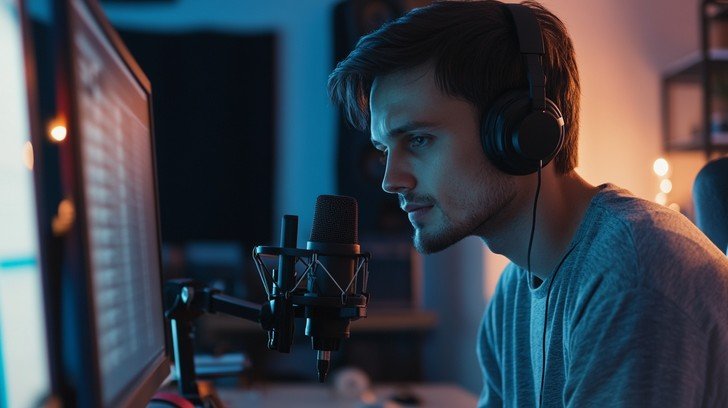
I used my personal Razer headset microphone to record my audio.